The Orchestration Gap: Why Network Automation Needs More Than Scripts
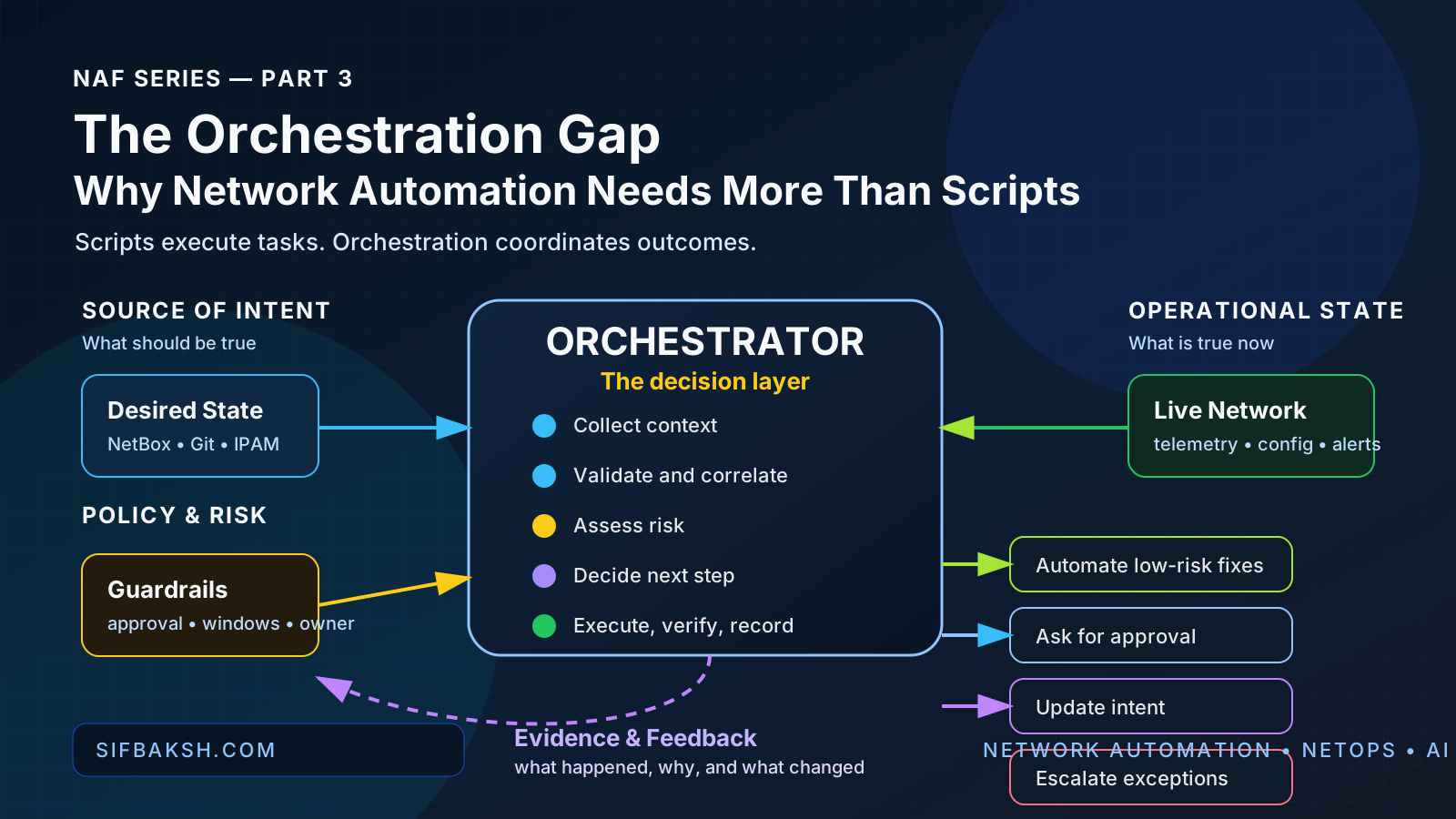
Network automation maturity is not about better scripts. It is about coordinating intent, operational state, validation, approvals, and evidence into one workflow.
Tines, Infoblox, Ansible, Python, and the AI-assisted workflows that actually survive contact with production. 36 essays and counting.
36 essays
Network automation maturity is not about better scripts. It is about coordinating intent, operational state, validation, approvals, and evidence into one workflow.

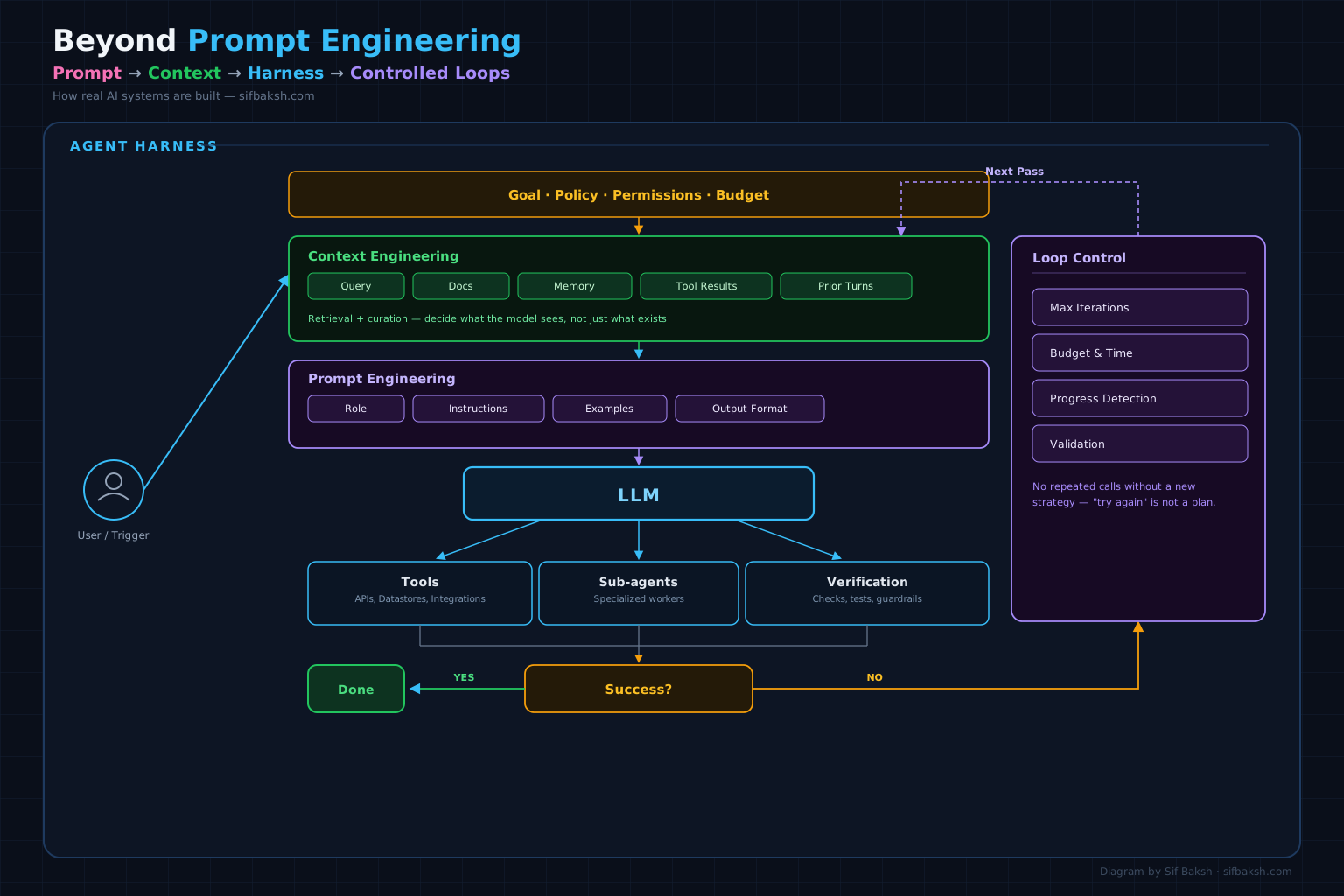
Prompt engineering is only one part of building reliable AI systems. Learn how context engineering, agent harnesses, tools, verification, and controlled loops fit together, with practical examples from network operations.
A practical guide to using AI in network operations — where AI genuinely accelerates NetOps, where it breaks down without human oversight, and how to build an automation architecture that keeps engineers in control.
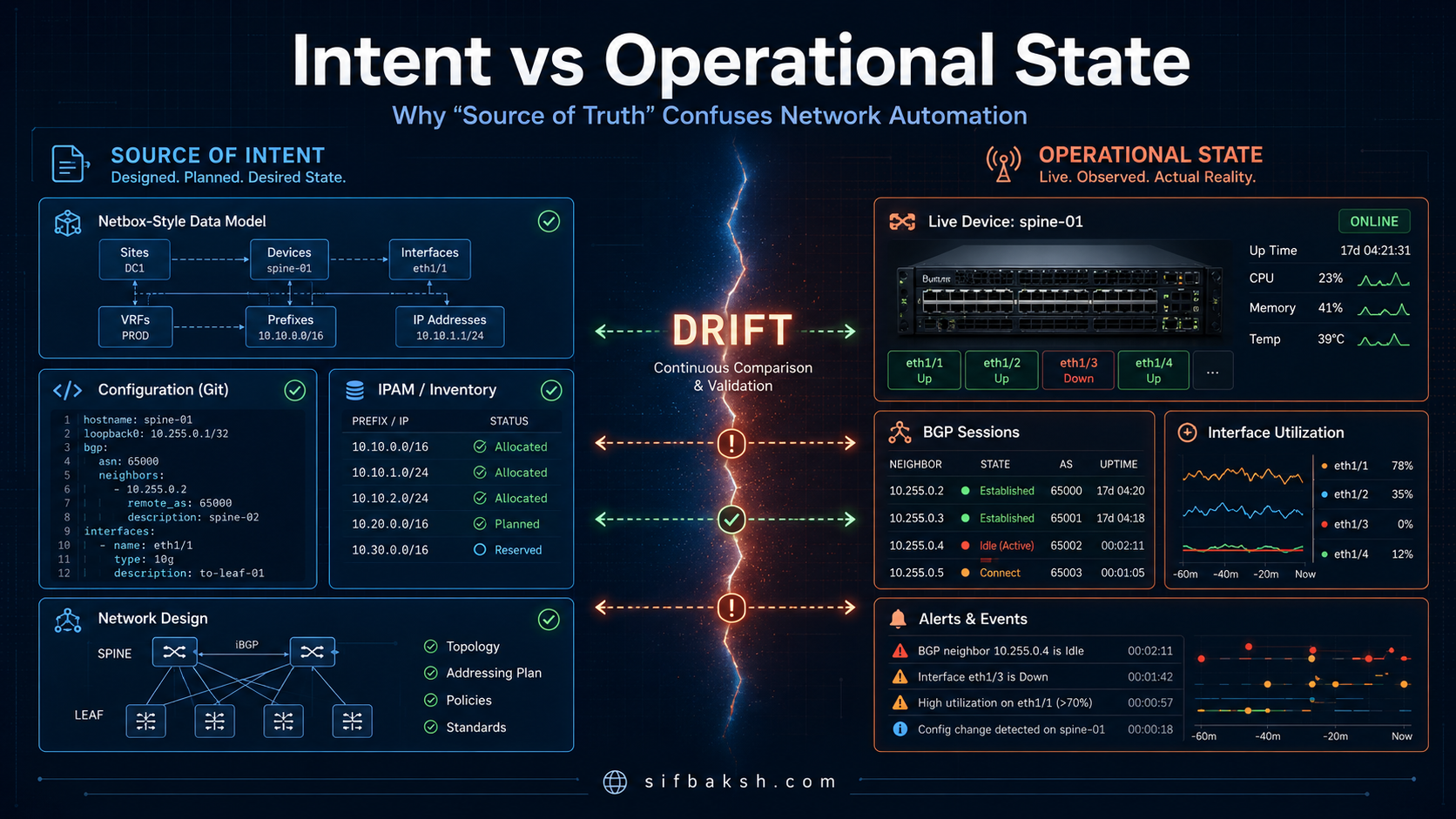
The phrase 'source of truth' hides a critical distinction in network automation: intent is what the network should look like, and operational state is what it actually does. Understanding and closing the gap between the two is the real job.
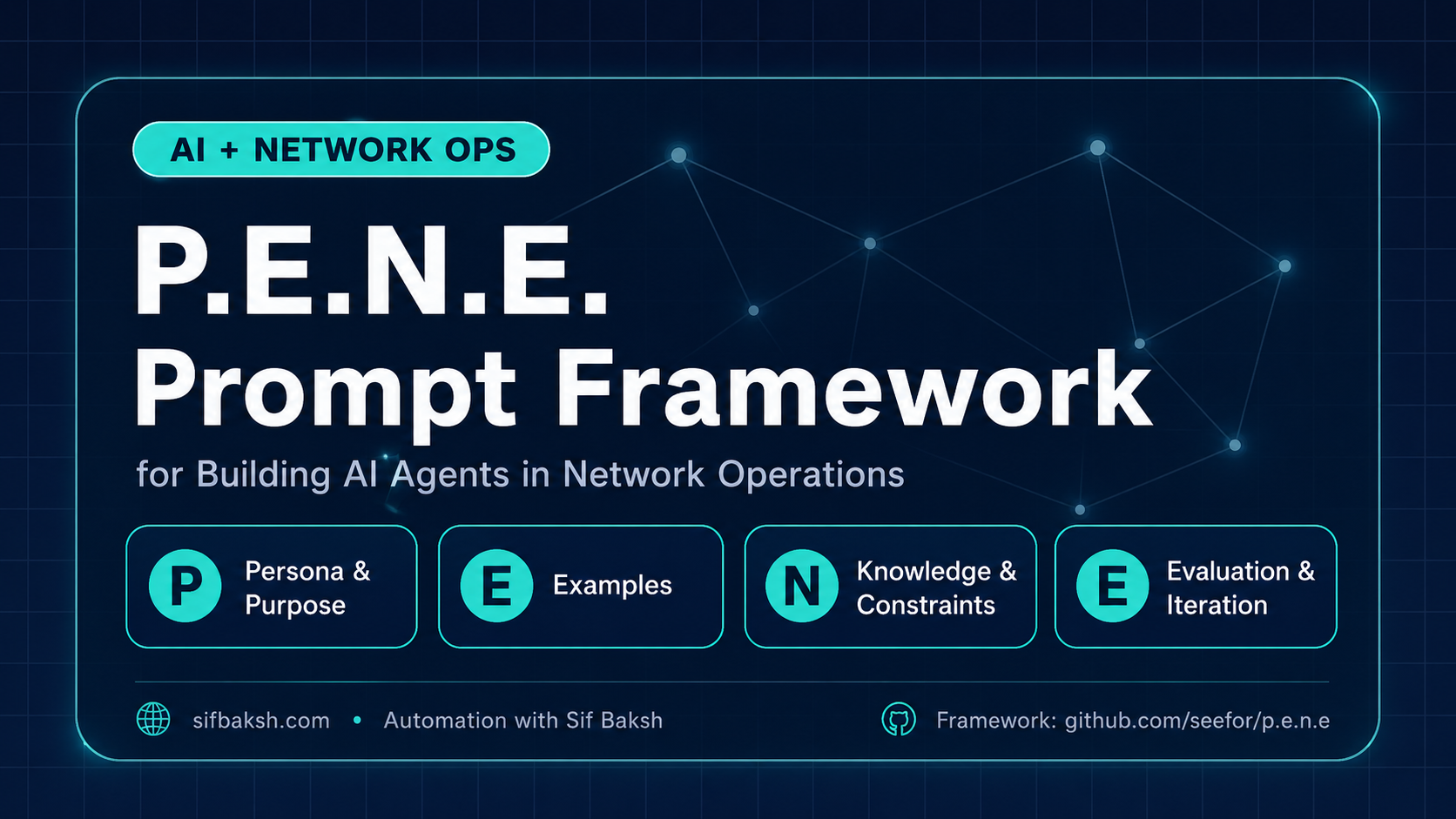
A practical field guide for using the P.E.N.E. framework as an agent behavior contract for NetOps workflows like BGP reviews, firewall audits, alert triage, NetBox drift detection, change planning, and incident summaries.
How to connect a hosted SOAR platform (Tines) to your private network infrastructure using Cloudflare Tunnels for free.
If you’ve ever had to manually wrangle external threat intel feeds — CSVs, JSON dumps, or raw text files full of Indicators of Compromise — you know it’s a pain. Some sources send you neat JSON, other
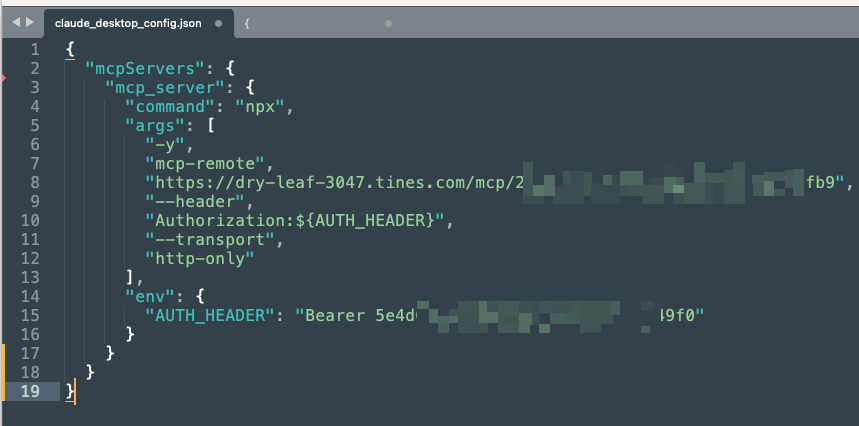
When MCP servers launched inside Tines, I had to play with it. This hands-on guide walks through what Model Context Protocol means for automation builders, and exactly how to set one up step by step.
A quick demo walking through AI-driven automatic transforms in Tines to handle complex data requests in real-time — grouping and analyzing ransomware data from ransomware.live.
Introduction: The Beginning of Automation Today, I want to take you on a journey that started with curiosity and has become an essential part of my daily workflow. I'm talking about the fascinat
Chatting with my good friend over at Swimlane, Kevin Mata, about ways to secure my Python code that I have credentials stored. He suggested tools like BitWarden, Vault by Hashicorp, and others. But if
Infoblox DDI API is an extension of the Infoblox DDI solution that provides a RESTful API interface for interacting with the Infoblox DDI system. The Infoblox DDI API allows you to perform various tas
How to automate DNS Traffic Control object creation by converting individual Ansible playbooks into reusable tasks, using Jinja2 templates and the Infoblox Ansible Collection to build DTC servers, pools, and LBDNs.
Introduction to NetMRI BootStrap — it allows you to create a local repo on a Windows/Linux machine for all your NetMRI Config Templates, Custom Issues, Lists, and Policy/Rules.
How to automate syncing newly created networks from Infoblox IPAM to NetMRI for discovery, using Extensible Attributes, a Python script, and scheduled hourly API jobs.
Retrieving data from Infoblox via the RESTful API (WAPI) using the requests module and the infoblox-client Python module, with examples for searching networks and hosts.
I was going to look at creating a Slack Channel with just DNS news for my coworkers but then found out we are going to use Microsoft Teams. Mmmmm M$ Teams, never was a fan of Microsoft but my good bu
How to update a CNAME record in Infoblox using an Ansible Playbook with the URI module — covering GET to retrieve the record reference and PUT to update it.
Getting started with the Infoblox WAPI using Python — examples using both the requests module for direct REST API calls and the infoblox-client module to list Grid members.
Using Ansible to create DHCP Ranges in Infoblox with Network and Range Templates, including how to use the nextavailablenetwork API call and restart services automatically.
Star Wars characters as creative analogies for real cybersecurity threats — Trojan attacks, data exfiltration, and shadow IoT — with practical security recommendations for enterprises.
“Using nios_next_ip with Ansible and Infoblox to retrieve the next available IP address and auto-create host records, including passing hostnames as command-line variables.”
Using nios_next_network with Ansible and Infoblox to look up and create single or multiple networks from a container, building on the lookup and nios_network modules.
Building on the Infoblox and Ansible series — configuring credentials, static hosts, and using the nios lookup module to search host records with full and partial string matching.
Why Infoblox and Ansible Infoblox delivers actionable network intelligence to enterprise, government, and service provider customers around the world, as the industry leader in DNS, DHCP, and IP addre
A Python and API-driven workflow for pulling network ranges from Infoblox IPAM and automatically registering them in NetMRI to keep discovery scopes in sync.
Today I was asked how can you verify if a WebServer is running TLS 1.2? Using NMAP and with script SSL-ENUM-CIPHERS User Summary This script repeatedly initiates SSLv3 / TLS connections, each time tr
So I was tasked with developing a way to show customers how Syslog messages are sent to their SIEM. The problem I don't have a SIEM at home 🙂 I decided to fake it some good buddies over at DC7
A NetMRI scripting walkthrough for bulk-updating interface descriptions on all Cisco trunking ports across a network, reducing manual CLI work to a single automated job.
How to use Infoblox WAPI's /request object to atomically retrieve and allocate the next available subnet from any container, combining GET and POST into a single API call.
How to use Postman to import CSV data into an Infoblox Extensible Attributes list without Python scripting — retrieve the EA reference, convert CSV to JSON, and update via REST API.
An exploration of how Infoblox's Security EcoSystem enables coordinated threat detection by sharing cyber threat intelligence across security tools, using DNSbot as a case study for RPZ-based blocking and automated alerting.
Five practical Python scripting examples for NetMRI — from running commands on devices to making API calls and triggering platform actions — to help network engineers automate common tasks.
How to use the NetMRI REST API with Python and SSH to script custom configuration collection for unsupported devices like SD-WAN routers, enabling change management and policy audits.
A Perl script walkthrough for batch-importing user accounts into NetMRI by reading user data from a file and making API calls to create credentials and profiles automatically.
How to use NetMRI API scripting to identify network devices with configuration changes within a given timeframe — a practical solution for NOC teams needing to quickly compare configs for troubleshooting.